
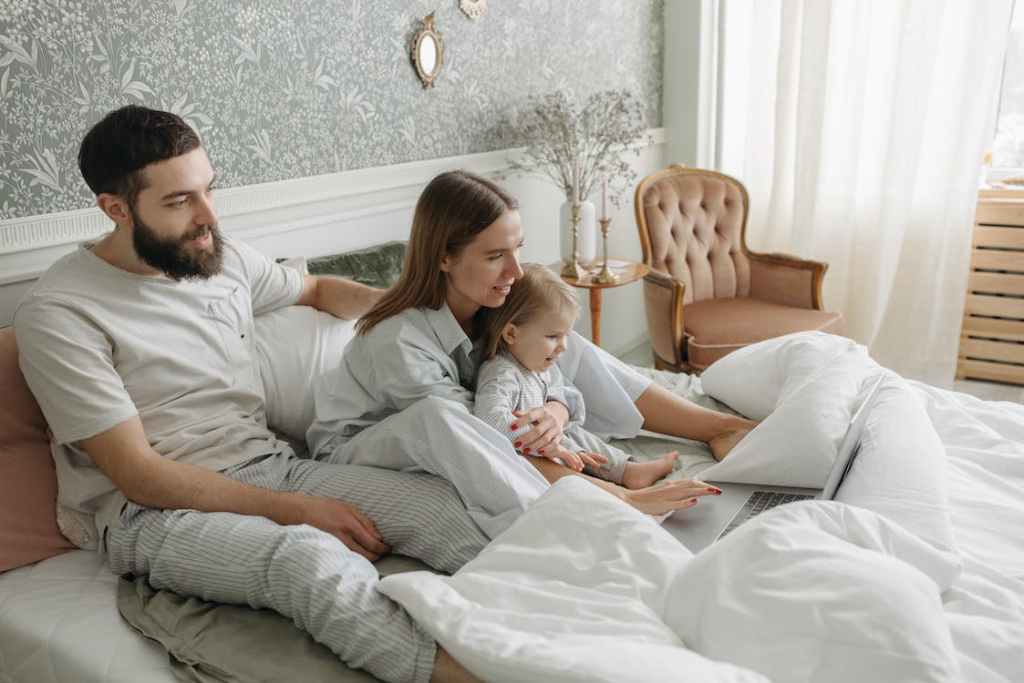
The transition from having your child sleep in your room to their own can be a challenging milestone for both parents and children. Many factors, such as fear, separation anxiety, or simply a desire for closeness, can contribute to your child’s resistance to sleeping in their own room. In this blog post, we will explore effective strategies to help your child make a smooth and successful transition, ensuring everyone in the family gets the restful sleep they need.
- Create a Comfortable and Inviting Space
Make your child’s room a welcoming and cozy environment. Involve them in choosing bedding, pillows, and decorations that they find appealing. Consider adding nightlights, soft music, or comforting scents to create a soothing atmosphere that helps alleviate any fears or anxieties they may have about sleeping alone.
- Establish a Consistent Bedtime Routine
A consistent bedtime routine is essential for promoting healthy sleep habits. Establish a calming routine that occurs at the same time every night. This can include activities such as reading a book, taking a warm bath, or engaging in a quiet and relaxing activity together. A consistent routine signals to your child that it’s time to wind down and prepares them for sleep.
- Gradual Transition
If your child is resistant to the idea of sleeping in their own room, consider implementing a gradual transition. Start by spending some time in their room before bedtime, such as reading a story or having a quiet conversation. Gradually decrease the amount of time you spend with them until they feel more comfortable sleeping on their own.
- Address Fears and Anxieties
Fear of the dark, monsters, or being alone are common reasons why children resist sleeping in their own room. Take the time to talk to your child about their fears and validate their emotions. Offer reassurance and develop strategies together to overcome these fears, such as using a nightlight, a favorite stuffed animal for comfort, or creating a “monster spray” to ward off imaginary creatures.
- Set Clear Boundaries and Expectations
Communicate clear expectations about where your child is expected to sleep. Reinforce the idea that their own room is their special space for sleeping. Be firm and consistent in enforcing these boundaries while providing support and encouragement during the transition.
- Reward System
Consider implementing a reward system to motivate your child to sleep in their own room. Create a chart or a sticker system where they can earn rewards for each successful night spent in their own bed. Offer small incentives such as extra story time or a special outing to reinforce positive behavior.
- Gradual Withdrawal Technique
The gradual withdrawal technique involves gradually reducing your presence in your child’s room over time. Start by sitting next to their bed until they fall asleep, then move to sitting near the door, and eventually transition to saying goodnight and leaving the room. This method allows your child to develop a sense of security while gradually gaining independence.
- Stay Consistent and Patient
Consistency is key when it comes to transitioning your child to their own room. Be patient and understanding as they adjust to the change. Encourage and praise their efforts, and provide emotional support during this process. Remember, it may take time for them to fully embrace sleeping alone, but with persistence, most children eventually adjust and feel comfortable.
- Seek Professional Advice if Needed
If your child’s resistance to sleeping in their own room persists and significantly impacts their well-being or sleep quality, consider seeking professional advice from a pediatrician or child sleep specialist. They can provide additional guidance and tailor strategies to your child’s specific needs.
Transitioning your child to sleep in their own room can be a challenging task, but with patience, understanding, and the strategies outlined above, you can help your child develop healthy sleep habits and gain independence. Remember to create a comforting environment, establish a consistent routine, address fears and anxieties, and provide support throughout the process. With time, your child will embrace their own room and enjoy restful nights, leading to a well-rested and harmonious family.
 Parenting Nutshell
Leave a comment