
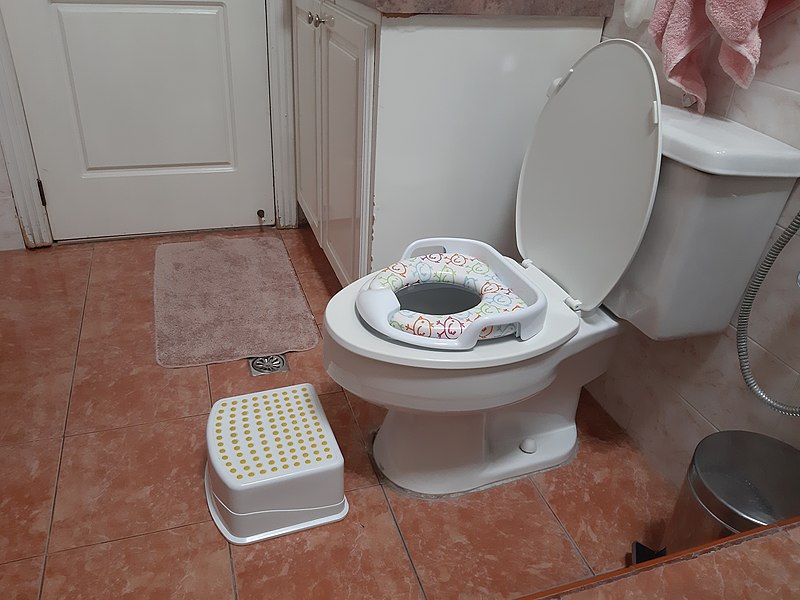
Potty training is a significant milestone in your child’s development, and while it can seem like a daunting task, with patience, consistency, and a positive mindset, you can guide your child through this important transition. In this blog post, we will provide you with practical tips and strategies to help make the potty training journey a smoother and more successful experience for both you and your child.
- Timing is Key:
Choose the right time to begin potty training. Look for signs of readiness such as showing interest in the bathroom, staying dry for longer periods, or displaying discomfort with soiled diapers. It’s essential to be patient and not rush the process—each child is unique and will develop at their own pace. - Introduce the Concept:
Start by familiarizing your child with the concept of using the potty. Read books, watch videos, or use dolls or toys to demonstrate the process. Make it a positive and exciting experience, highlighting the benefits of using the potty like being a “big kid” and no longer needing diapers. - Set Up a Potty Training Routine:
Establish a consistent routine that includes regular potty breaks throughout the day. Take your child to the potty upon waking, before and after meals, and before bedtime. Consistency is key to reinforce the habit of using the toilet. - Choose the Right Equipment:
Invest in a child-sized potty chair or a toilet seat insert with a step stool. Let your child be involved in selecting their potty seat, making them feel empowered and motivated to use it. - Make It Fun and Engaging:
Create a positive and enjoyable environment around potty training. Use stickers, charts, or a reward system to celebrate successes. Sing songs, read books, or play games during potty breaks to make it a fun experience. - Teach Proper Hygiene Habits:
Teach your child proper hygiene habits, such as washing hands before and after using the potty. Explain the importance of cleanliness and make it a routine part of the process. - Be Patient and Encouraging:
Potty training can be challenging and may involve accidents along the way. Stay patient and supportive, offering gentle reminders and reassurance. Avoid punishment or negative reinforcement, as it can create anxiety and setbacks. - Dress for Success:
Dress your child in clothing that allows for easy and quick removal, such as elastic waistbands or pants with snaps. This makes it easier for them to undress independently when using the potty. - Accidents Happen:
Accidents are a normal part of the learning process. Respond calmly and reassure your child that accidents happen and that they will improve over time. Encourage them to communicate their needs and recognize the physical cues for using the potty. - Nighttime Training:
Nighttime training may take longer and is usually tackled once daytime control is established. Limit fluid intake before bedtime and encourage your child to use the potty before going to sleep. Consider using training pants or waterproof mattress covers as a precaution.
Potty training is a significant milestone that requires patience, consistency, and a positive approach. Remember that each child is unique and will progress at their own pace. By creating a supportive and engaging environment, establishing a routine, and being patient and encouraging, you can help your child successfully navigate the potty training journey. Celebrate each milestone along the way, and remember that accidents are normal. With time and persistence, your child will master this new skill and develop a sense of independence and confidence.
 Parenting Nutshell
Leave a comment