
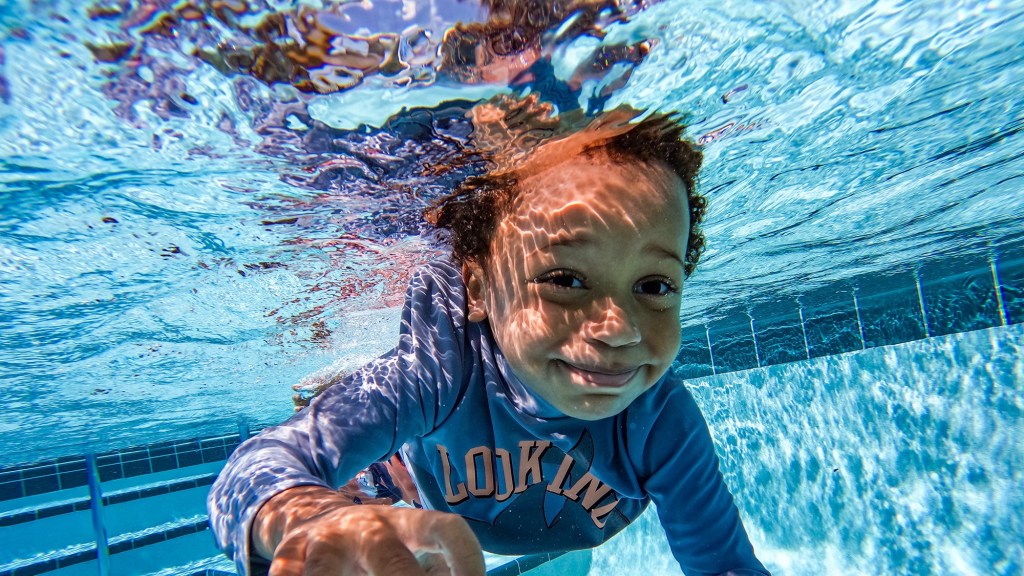
As the days grow warmer and the allure of water play beckons, it’s essential for parents to prioritize water safety for their infants and toddlers. Water activities can be a wonderful source of joy and development for young children, but they also come with inherent risks. Here’s a comprehensive guide to ensuring your little ones stay safe while enjoying the water.
1. Supervision is Key
The number one rule for water safety is constant, vigilant supervision. Infants and toddlers should never be left alone near water, even for a moment. This includes bathtubs, pools, ponds, and any other water bodies. Designate a “water watcher” who is solely responsible for keeping an eye on the child. This person should avoid distractions such as phones or engaging in lengthy conversations.
2. Secure Your Home
Many drowning incidents occur in the home, particularly in bathtubs. Always drain the tub immediately after use, and consider installing locks or childproof latches on bathroom doors. Additionally, if you have a pool, ensure it is completely fenced in with self-latching gates that toddlers cannot open.
3. Learn CPR
In an emergency, knowing CPR can save lives. Both parents and caregivers should be trained in infant and child CPR. This training can often be found through local hospitals, community centers, or organizations like the American Red Cross.
4. Water Safety Classes
Enroll your child in age-appropriate water safety or swim classes. While these classes are not a substitute for supervision, they can help children become more comfortable in the water and teach basic survival skills.
5. Use Proper Safety Gear
Ensure your child wears a Coast Guard-approved life jacket when near or in water, especially if you’re boating or at the beach. Floaties and inflatable toys are not substitutes for life jackets and should not be relied upon for safety.
6. Be Mindful of Pool Drains
Pool drains pose a significant risk to young children due to the strong suction they create. Make sure your pool complies with the latest safety standards, which include anti-entrapment drain covers. Educate your child about the dangers of pool drains and supervise them closely.
7. Create a Safe Environment
If you have a pool or a hot tub at home, installing safety barriers is crucial. Fences should be at least four feet high and should not have any gaps that a child could crawl through. Pool covers and alarms can add an extra layer of protection.
8. Teach Water Safety Rules
As your child grows, start teaching them basic water safety rules. This includes not running near the pool, never swimming alone, and always asking permission before going near water. Reinforce these rules consistently to help them become second nature.
9. Be Prepared for Emergencies
Keep a phone and emergency numbers close by whenever your child is in or around water. Additionally, having a first aid kit nearby can be invaluable in case of minor accidents.
10. Stay Informed and Educated
Water safety guidelines and recommendations can change, so stay informed about the latest advice from trusted sources like the American Academy of Pediatrics and local health departments. Regularly updating your knowledge can help you maintain a safe environment for your child.
Water play can be a delightful and enriching experience for your little ones. By taking these precautions, you can ensure that their time in and around water is as safe as it is fun. Remember, vigilance and preparation are your best tools in preventing water-related accidents. Enjoy the splashes and laughter with peace of mind, knowing that you’ve taken the necessary steps to protect your child.
 Parenting Nutshell
Leave a comment