
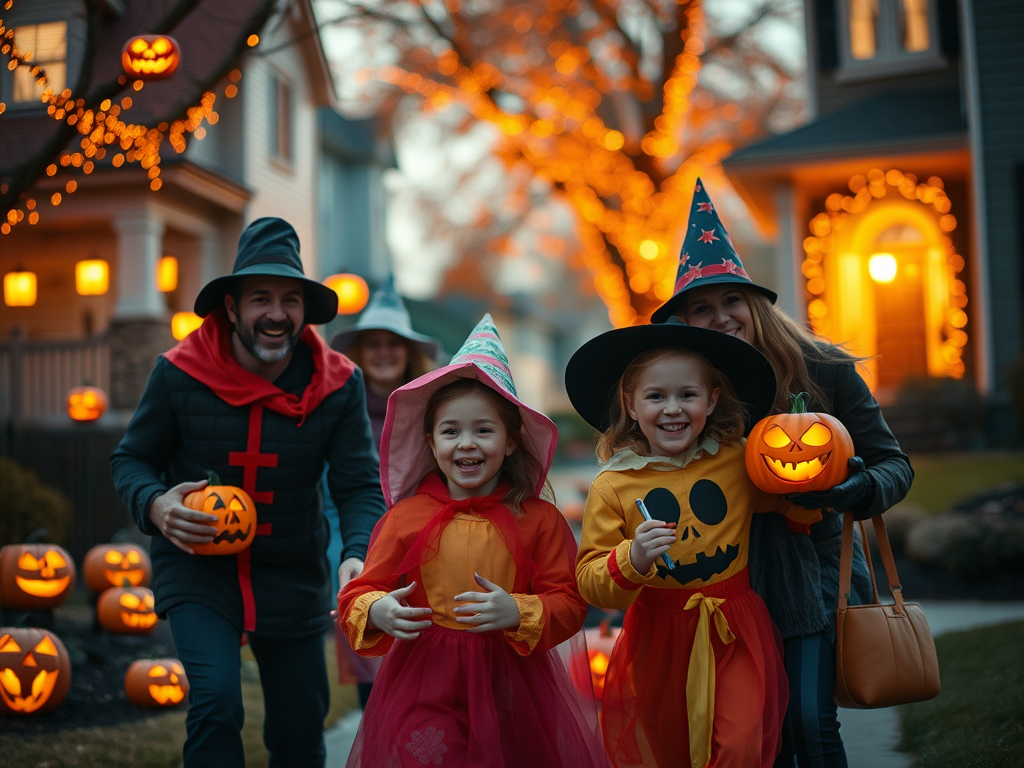
As a parent, Halloween is often a time filled with costume decisions, candy shopping, and spooky decorations, all leading up to a night of fun for your kids. But have you ever stopped to wonder where this beloved holiday came from? The history of Halloween is rich, fascinating, and spans many centuries, blending ancient traditions with modern-day customs. Understanding the origins of Halloween can add a new layer of enjoyment for both you and your children as you celebrate the spookiest night of the year.
The Ancient Beginnings: Samhain Festival
Halloween’s roots go back over 2,000 years to the ancient Celtic festival of Samhain (pronounced “sow-in”), celebrated in what is now Ireland, the UK, and parts of France. Samhain marked the end of the harvest and the beginning of winter, often referred to as the “dark half” of the year. For the Celts, this was a time when the boundary between the living and the dead blurred, and spirits could roam the Earth. To protect themselves, people would light bonfires and wear costumes to scare off these wandering souls.
As a parent, you can use this as a fun storytelling opportunity with your kids. Explain that costumes weren’t just about dressing up as their favorite superhero or princess, but were originally worn to disguise people from ghosts. It’s an exciting way to connect their modern-day costumes to something rooted in ancient history!
The Influence of Christianity: All Hallows’ Eve
As Christianity spread, the church sought to replace the pagan festival of Samhain with a Christian observance. In the 8th century, Pope Gregory III declared November 1st as All Saints’ Day, also known as All Hallows’ Day, to honor saints and martyrs. The night before, October 31st, became known as All Hallows’ Eve, which eventually morphed into “Halloween.”
You can talk to your kids about how, just like today’s holiday, Halloween was a time for remembering the past. But instead of celebrating spirits and ghosts, it focused on honoring saints and good souls. Sharing these traditions can help them understand how holidays evolve over time and take on new meanings.
Trick-or-Treating: From Ancient Traditions to Modern Fun
One of Halloween’s most cherished activities for kids is trick-or-treating, but it didn’t always involve knocking on doors for candy. The practice is believed to have roots in a medieval tradition called “souling.” On All Souls’ Day (November 2nd), poor people would go door to door offering prayers for the dead in exchange for food. Eventually, this tradition evolved into what we know today, where children dress up and go house to house in search of sweets.
Next time you’re out trick-or-treating with your little ones, you can tell them how this fun tradition has deep historical roots. It’s a great opportunity to blend fun with education, showing them how even the simplest of customs can have a fascinating history behind it.
Halloween in America: How It Became What We Know Today
Halloween as we know it really took off in America in the 19th century when Irish and Scottish immigrants brought their customs over. Over time, the holiday transformed into a more community-based event, with parties, parades, and neighborhood trick-or-treating.
By the 20th century, Halloween had become a secular holiday largely focused on community and fun, shedding much of its religious background. The emphasis shifted to costumes, games, and—most importantly for kids—candy. In fact, Halloween is now one of the biggest commercial holidays in the U.S., with billions of dollars spent each year on costumes, decorations, and treats.
For kids today, Halloween is about dressing up and having fun, but as a parent, you can give them a deeper appreciation of the holiday by explaining how it has changed over time. It’s a reminder that holidays are living traditions, evolving with each generation while still holding on to pieces of their past.
Fun Ways to Teach Kids About Halloween History
Teaching kids about history doesn’t have to be boring. Here are some fun ways to help them understand the origins of Halloween:
- Storytime: Create a special bedtime story that talks about the history of Halloween, incorporating elements like Samhain, All Hallows’ Eve, and trick-or-treating.
- Crafting Time: Help your kids make their own “ancient” costumes. Instead of just buying costumes, use some time to make simple, ghost-like attire from household items, similar to how people did long ago.
- Candle and Lantern Walks: In the spirit of Samhain and early Halloween, light candles or lanterns and take a peaceful evening walk, explaining how early people believed that light would ward off wandering spirits.
Conclusion
Halloween has come a long way from its ancient origins in the Celtic lands. From honoring the dead to today’s joyful celebrations filled with laughter, costumes, and candy, it’s a holiday steeped in history. By sharing the story of Halloween’s evolution with your children, you can make the holiday even more meaningful for your family.
So as you get ready for Halloween this year, don’t just focus on the candy and costumes—take a moment to appreciate the rich history behind it all. Knowing where these traditions come from can help us connect more deeply to the holiday and maybe even bring a new sense of wonder to our kids’ eyes as they venture out into the spooky night.
Happy Halloween!
 Parenting Nutshell
Leave a comment