
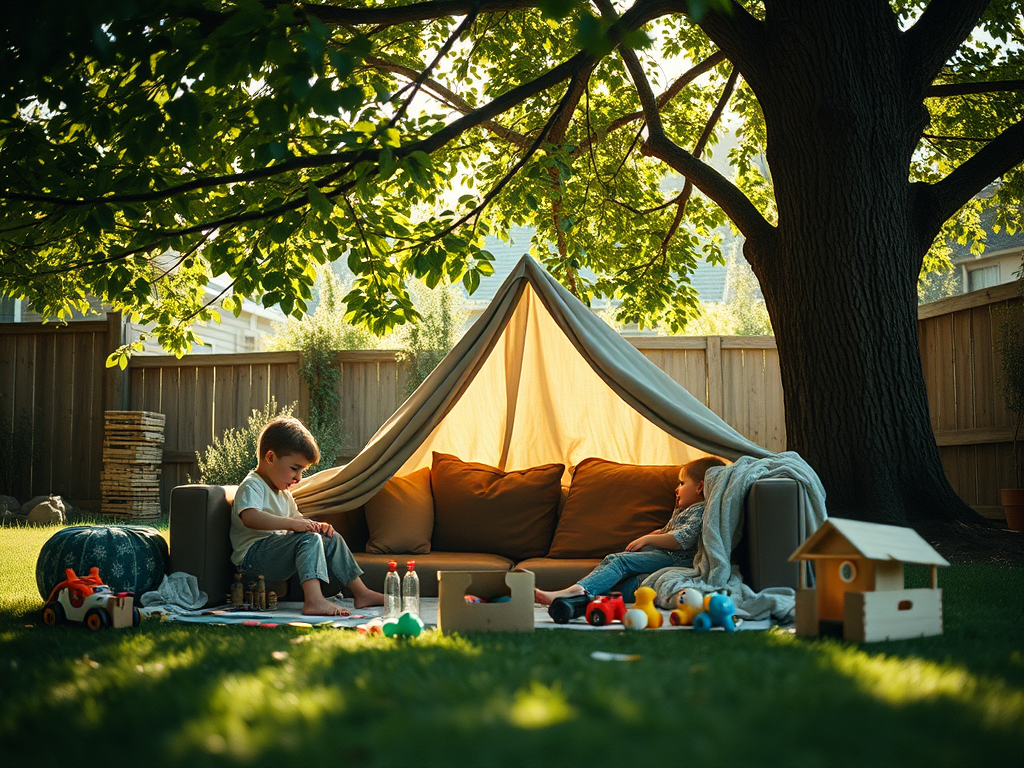
In today’s fast-paced, tech-driven world, as parents, we often feel a constant pressure to keep our kids entertained, stimulated, and engaged 24/7. We shuffle them from school to soccer practice, from art class to playdates, thinking that a packed schedule is the key to keeping them happy and out of trouble. But here’s a radical idea: boredom is not the enemy. In fact, it may be one of the best gifts we can give our children.
The Case for Boredom
When kids say, “I’m bored,” our immediate response is often to fix it. We might suggest an activity or hand over an iPad to fill the gap. But boredom is a powerful tool for growth. It forces children to slow down, reflect, and come up with their own solutions for how to spend their time. This is where creativity is born.
Think about it. Some of the greatest inventions and ideas have come out of moments of boredom. When there’s nothing to do, the brain starts to wander, make connections, and explore new possibilities. A child left to their own devices might suddenly invent a new game, build a fort out of couch cushions, or dive into a book they’d never thought to pick up before.
Fostering Independence and Resilience
Boredom also helps kids develop a sense of independence. When every moment of their lives is scheduled, they don’t learn how to manage their own time or figure out what makes them truly passionate. By allowing them to experience boredom, we’re giving them the opportunity to explore their interests, make decisions, and become more self-reliant.
In a world where instant gratification is the norm, boredom teaches patience. It shows that life doesn’t always need to be fast-paced or exciting, and that sometimes, the best things come when we take a moment to just be still.
How to Embrace Boredom in a Healthy Way
Of course, letting kids be bored doesn’t mean abandoning them to endless hours of inactivity. The key is creating an environment where they feel safe and supported in their boredom, rather than frustrated by it.
Here are a few tips for making the most of boredom:
• Limit screen time: When kids are bored, screens can be a tempting fix, but they often prevent deeper thinking and creative problem-solving. Setting boundaries around screen time encourages kids to come up with other ways to entertain themselves.
• Provide open-ended toys and materials: Things like blocks, art supplies, and dress-up clothes allow for imaginative play. Unlike structured toys with specific outcomes, these open-ended materials encourage kids to create their own stories and games.
• Encourage outdoor play: Nature is a wonderful antidote to boredom. Without the constant input of technology or structured activities, kids can explore, imagine, and connect with the world around them in a way that fosters both creativity and calm.
• Embrace quiet time: Not every moment needs to be filled with noise and activity. Quiet time—whether spent reading, drawing, or simply daydreaming—is essential for kids’ mental and emotional well-being.
Final Thoughts
As parents, it can be tough to let go of the idea that we need to constantly entertain our children. But by allowing them to experience boredom, we’re giving them the opportunity to grow into creative, independent, and resilient individuals. So the next time your child says, “I’m bored,” take a deep breath, smile, and remember that boredom might just be the best thing for them.
 Parenting Nutshell
Leave a comment