
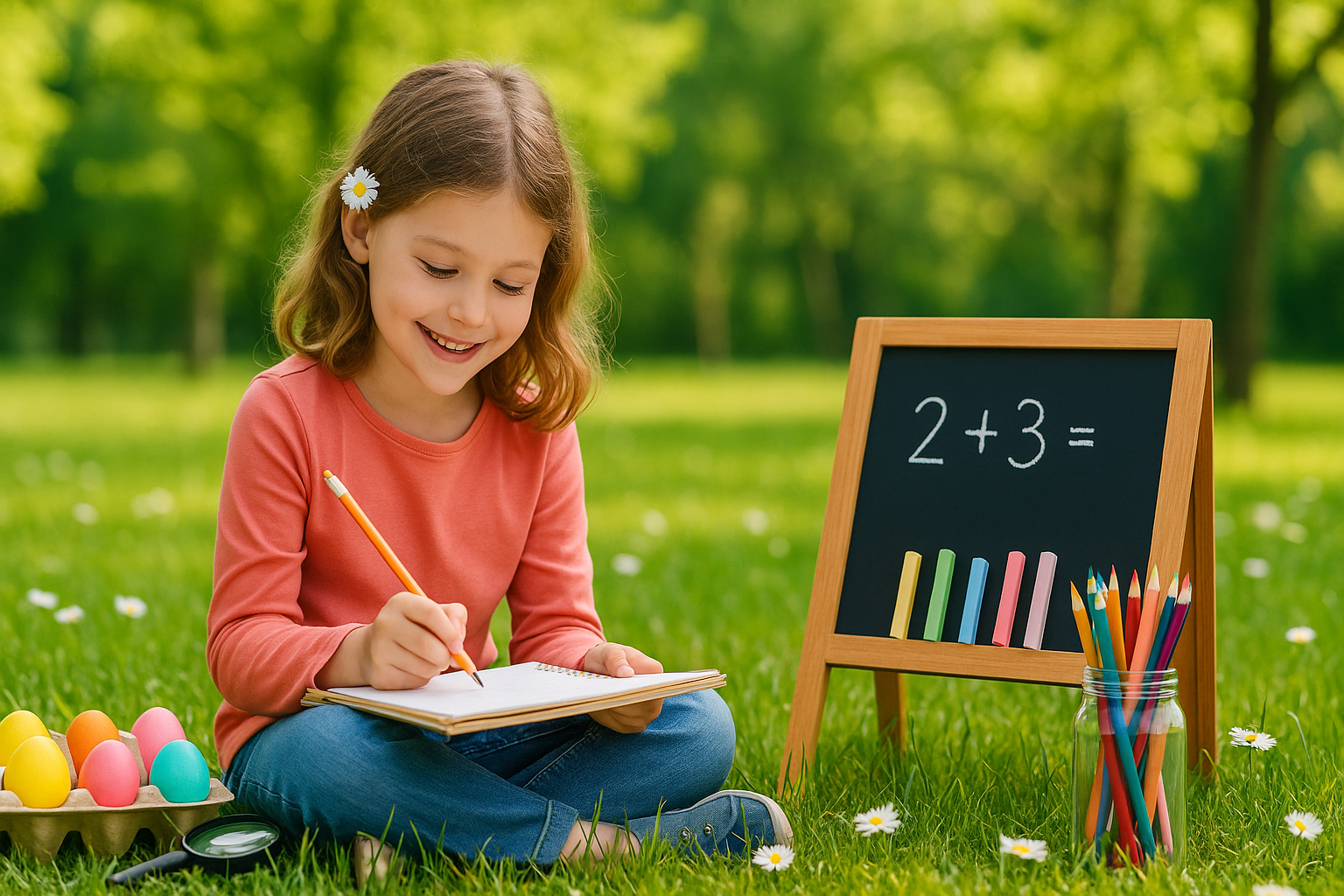
Embracing Spring: A Season for Learning
As we transition into spring, the season not only brings blooming flowers and warmer weather but also an excellent opportunity for educational engagement for children. With the end of winter, families can take advantage of nature and vibrant surroundings to create learning experiences that are both informative and enjoyable. This article focuses on various activities that parents can implement to nurture their child’s learning during this refreshing season.
The Importance of Seasonal Learning
Research shows that children often retain information better when they can find relevance in their surroundings. Engaging them with topics they can observe and participate in physically allows for various sensory experiences that enhance learning. Here are some key reasons why incorporating seasonal learning is beneficial:
- Increased Motivation: Children are more inclined to learn when they feel a connection to the material.
- Enhanced Critical Thinking: Seasonal changes present real-life scenarios that encourage kids to ask questions and seek answers.
- Development of Social Skills: Many activities can include peers or family members, promoting teamwork and communication.
Educational Activities for Spring
Below are some practical activities that parents can explore to enrich their children’s education this spring:
1. Nature Walks
Taking frequent nature walks is an excellent way for children to learn about their environment. It can incorporate various subjects:
- Science: Discuss ecosystems, local flora and fauna, or the water cycle. Take a magnifying glass to examine insects or different plant types.
- Math: Encourage children to measure distances or count different types of leaves or rocks they find.
2. Gardening Projects
Gardening is not just a fun pastime; it’s a valuable educational tool:
- Biology: Teach children about plant biology—photosynthesis, growth cycles, and the importance of soil and water.
- Responsibility: Managing a garden instills a sense of responsibility and teaches the value of nurturing and patience.
3. Spring Festivals and Events
Explore local festivals or events that celebrate spring. These gatherings can provide educational experiences:
- Engage with community activities that emphasize heritage, culture, and the arts.
- Participate in workshops or demonstrations featured during fairs, from art to local history.
4. Science Experiments
Spring is ideal for hands-on science experiments that tie into the season:
- Seed Germination: Plant different seeds in clear containers and track their growth over several weeks—great for discussing life cycles.
- Weather Studies: Create a simple weather station to measure rainfall, wind speed, and temperature, enabling discussions on meteorology.
5. Art with Nature
Utilize natural materials to create art projects:
- Gather leaves, flowers, and twigs for collages. This can lead to lessons on identification and creative expression.
- Use rocks to paint or create a garden marker to combine art and usefulness.
Tips for Parents to Enhance Learning
To maximize the educational experience during spring, consider the following tips:
- Be Involved: Participate in activities alongside your child to show interest and support.
- Encourage Questions: Foster a curious mind by answering questions and seeking solutions together.
- Document Progress: Keep a learning journal or scrapbook of your spring activities, encouraging reflection.
- Promote Outdoor Play: Balance structured learning with free play outdoors to enhance creativity.
Conclusion
Spring is a perfect time to renew educational opportunities for your child. By integrating seasonal elements into learning, you can create a rich environment that fosters growth and curiosity. Whether through nature walks, gardening, or engaging in community events, the goal is to make learning both fun and impactful. Embrace the season and watch your child eagerly explore the wonders of spring!
Leave a Reply